If you live in the west metro, you have watched it happen tree by tree. A neighbor’s big shade ash goes brown and thin at the top one summer, and by the next it is coming down. Emerald ash borer has moved from a Twin Cities curiosity to a statewide reality, and Minnesota now has confirmed infestations in dozens of counties. Every one of those removed ash trees leaves the same thing behind: a stump.
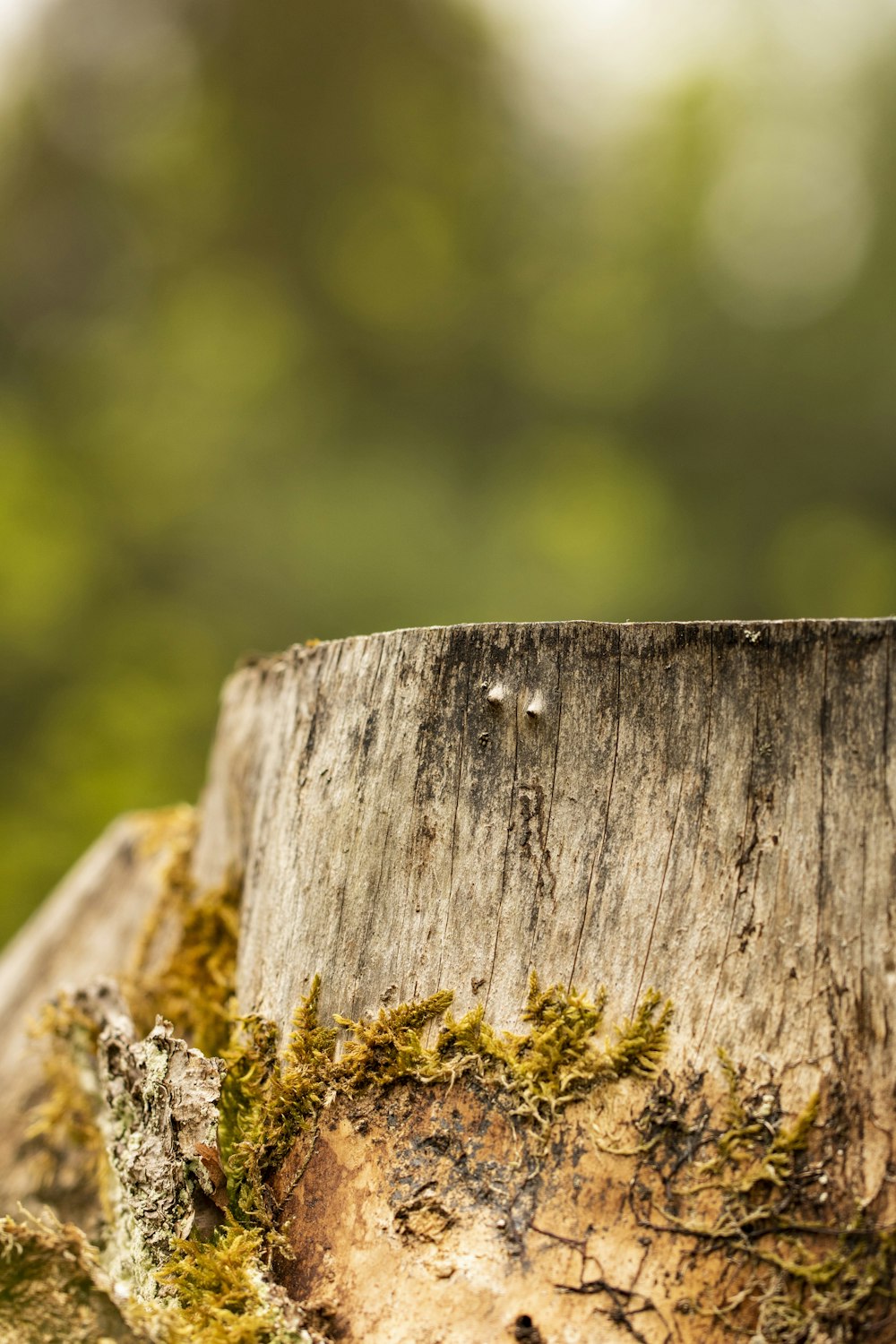
The felling gets the headlines, but the stump is what sits in your yard afterward — a wide, hard, shallow-rooted reminder of the tree you lost. This is a plain-spoken guide to what to do with an ash stump once the borer has forced the tree out: how the wood-movement quarantine affects the job, what makes ash different to grind, when to schedule it, and what it costs.
Key Takeaways
- Emerald ash borer is now statewide in Minnesota, and the west metro is squarely inside the quarantine zone, so ash removals — and ash stumps — are everywhere right now.
- The ash quarantine restricts moving ash wood, logs, and chips out of the area, but grinding keeps the material on your property, which sidesteps the whole problem.
- Ash stumps grind cleanly but often spread wide and shallow, with a broad root flare that adds to the grinding footprint.
- Removals are best done in the borer’s dormant season, roughly October through May, but stump grinding itself can follow anytime the ground allows.
- Expect grinding to run in the range of $3 to $7 per inch of stump diameter, with the exact number depending on size, access, and root spread — a free quote is the only way to know.
Table of Contents
- Why the West Metro Is Full of Ash Stumps
- The Ash Quarantine and Why Grinding Sidesteps It
- Grinding an Ash Stump: What’s Different
- When to Take the Tree and Grind the Stump
- What Ash Stump Grinding Costs
- After the Grind: Reclaiming the Spot
- Frequently Asked Questions
Why the West Metro Is Full of Ash Stumps
Ash was one of the most planted street and yard trees in the Twin Cities for decades. It grew fast, took city conditions well, and after Dutch elm disease thinned out the elms, ash filled the gap along thousands of boulevards and back yards. That heavy reliance is exactly what made emerald ash borer such a problem — when a single pest targets one species and that species is everywhere, the losses stack up fast.
The insect itself is small, a metallic-green beetle whose larvae tunnel just under the bark and cut off the tree’s ability to move water and nutrients. By the time the canopy thins and the bark splits, the damage is usually done. Across the west metro suburbs — Minnetonka, Eden Prairie, Edina, Excelsior, and beyond — homeowners and cities alike have spent the last few years removing infested and at-risk ash. Whether the tree was treated for years and finally lost, or taken down preemptively before the borer arrived, the outcome is the same: a stump that needs dealing with.
The Ash Quarantine and Why Grinding Sidesteps It
Here is a wrinkle that catches people off guard. Because emerald ash borer travels in wood, the Minnesota Department of Agriculture restricts moving ash material — logs, branches, and untreated firewood — out of the quarantined area, which covers the entire Twin Cities metro and much of eastern Minnesota. The rule exists to keep people from hauling the beetle into clean counties in a load of firewood.
That regulation is about transporting ash wood off your property. Stump grinding does the opposite: it turns the stump into chips that stay right where the tree stood. Nothing leaves, nothing gets trucked across county lines, and there is no quarantine paperwork to worry about. It is one of the quieter advantages of grinding over full removal — the material is reduced to mulch on site and the borer has nowhere to go. If the felled trunk and limbs need to be hauled, a licensed crew handles that within the rules; the stump portion simply becomes ground.
Grinding an Ash Stump: What’s Different
Ash is a good wood to grind. It is firm and even-grained, without the stringy, rope-like roots of an elm or the sheer mass of an old cottonwood or silver maple. The cutting goes cleanly. What tends to surprise people about ash is the footprint at ground level.
A wide, shallow root flare
Mature boulevard and yard ash often develop a broad, flaring base where the trunk meets the ground, with surface roots radiating outward. The visible stump might be 18 inches across, but the root flare and buttress can spread to three or four feet. Grinding has to follow that flare out to leave a truly level surface, which means the ground-out area is usually wider than the stump you were looking at. We grind the flare down along with the main stump so you are not left with knuckles of root humping up through the lawn later.
Grinding depth
Our standard is to take the stump a full 4 to 6 inches below grade, clear the chips, and leave a level surface you can seed or sod. For ash, going below grade also knocks out the shallow surface roots near the trunk that would otherwise be tripping hazards and mower-scalpers. It does not kill every root in the ground — the fine roots left behind simply decompose over the next year or two — but it removes the stump as an obstacle for good. Ash does not sucker and regrow from a ground stump the way some species can, so once it is out, it stays out.
When to Take the Tree and Grind the Stump
There are two separate timing questions here, and it helps to keep them apart.
Taking the tree down is the one with a season attached. Adult emerald ash borers emerge and fly in the warm months, roughly May through September, so removing an infested ash during the dormant window — roughly October through May — is the recommended practice to avoid spreading beetles while the wood is handled. If you are planning an ash removal, aiming for late fall through early spring is the responsible call.
Grinding the stump is far more flexible. Once the tree is down, the stump can be ground whenever the ground cooperates. Summer and early fall are easy, dry-ground months for it. We grind through Minnesota winters too when the frost is not too deep, and some jobs simply wait for a thaw. If your ash came down over the winter and the stump is still sitting there, summer is a fine time to finally get it ground out and the spot reclaimed before fall lawn seeding season. For more on that seeding window, see our guide to planting grass after stump grinding.
What Ash Stump Grinding Costs
Ash stumps price out like any other stump: mostly by size, then adjusted for access and root spread. The established rule of thumb in this market is roughly $3 to $7 per inch of stump diameter, measured across the stump at ground level. A tidy 20-inch ash in an open back yard sits near the low end; a broad, flared 36-inch boulevard ash wedged between a sidewalk and a fence lands higher because of the added root work and tight access.
| Stump Situation | What Drives the Price | Typical Range |
|---|---|---|
| Small yard ash, open access | Diameter, easy in-and-out | Lower end |
| Mid-size ash with flared base | Extra grinding to chase the root flare | Middle |
| Large boulevard ash, tight access | Size, surface roots, sidewalk or fence nearby | Higher end |
| Several ash stumps at once | Often a better per-stump rate | Ask for a bundle quote |
Those are ranges, not a bid. Because the borer has forced so many removals at once, plenty of homeowners have two, three, or more ash stumps to deal with, and grinding several in one visit almost always brings the per-stump cost down. For a fuller breakdown of what goes into a number, read our Minnesota stump grinding cost guide. The only way to get an exact figure for your yard is a free quote — every stump and every site is a little different.
After the Grind: Reclaiming the Spot
Once the stump is ground and the chips are cleared, you are left with a bed of grindings and a slightly sunken spot. The grindings make fine mulch for beds and paths once they age. If you want lawn back, scoop out the bulk of the chips, backfill with clean topsoil mounded a touch above grade to allow for settling, and seed or sod when the season is right — mid-August through mid-September is the prime seeding window for cool-season grass in the Twin Cities.
Many folks use the cleared spot as a chance to replant — and this is a good moment to diversify away from ash. A mix of species is the best insurance against the next single-pest wipeout, so consider oak, hackberry, linden, or another borer-proof choice rather than putting all your shade eggs in one basket again. Give a new tree some distance from the old root zone so it is not fighting decomposing ash roots for the first few seasons.
Let Us Take the Ash Stump Off Your Hands
Losing an ash is a hassle nobody asked for. Grinding the stump should not be. We turn that stump into ground-level chips that stay on your property, grind the full flare so nothing humps up later, take it 4 to 6 inches below grade, and leave the spot clean and level. Family owned, licensed and insured, and grinding stumps across the west metro for over 20 years.
We serve Minneapolis and the western Twin Cities, including Wayzata, Chanhassen, Minnetonka, and every community in between. See what we handle on our services page. Call or text (612) 501-0602, or request a free quote online.
Frequently Asked Questions
Does the emerald ash borer quarantine stop me from grinding my ash stump?
No. The quarantine restricts moving ash wood, logs, and untreated firewood out of the area to keep the beetle from spreading. Stump grinding turns the stump into chips that stay on your property, so nothing is transported and the quarantine is a non-issue.
Do I need to remove my ash tree if it has emerald ash borer?
Once a tree is heavily infested it usually cannot be saved and becomes brittle and hazardous, so removal is the typical outcome. Healthy ash can sometimes be protected with ongoing insecticide treatment, but that is a decision to make with an arborist. Either way, whatever comes down leaves a stump.
When is the best time to remove an ash tree in Minnesota?
The recommended window is the borer’s dormant season, roughly October through May, when adult beetles are not flying. That timing reduces the risk of spreading the insect while the wood is handled. Stump grinding afterward is more flexible and can happen whenever the ground allows.
Is an ash stump harder to grind than other stumps?
The wood itself grinds cleanly — ash is firm and even-grained. The main difference is the broad, shallow root flare mature ash tend to develop, which spreads the grinding footprint wider than the visible stump. We grind the flare out so no roots hump up through the lawn later.
Will an ash stump grow back after grinding?
No. Ash does not sprout or sucker from a ground-out stump the way some species can. Once it is ground below grade, the remaining roots simply decompose in the ground over the next year or two, and the tree does not return.
How much does it cost to grind an ash stump?
Figure roughly $3 to $7 per inch of stump diameter as a starting point, adjusted for the root flare, access, and how many stumps you have. Grinding several ash stumps in one visit usually lowers the per-stump cost. A free quote is the only way to get an exact number for your yard.
Can you grind several ash stumps at once?
Yes, and it is common right now. The borer has forced a lot of removals, so many homeowners have multiple ash stumps. Doing them together in one visit is more efficient and typically earns a better per-stump rate — just ask for a bundle quote.
What should I plant where my ash tree was?
Consider a different species than ash to guard against the next single-pest problem — oak, hackberry, and linden are solid Minnesota choices. Give the new tree some room from the old root zone, and wait for the ground stump material to settle before planting right on the spot.