The stump is gone, the chips are hauled off, and the yard looks like a yard again. Then somebody asks the question that probably should have come up first: what happened to the roots? They are still down there. All of them, minus whatever the grinder chewed through.
That surprises people, and it worries a few. It should not. Here is what a stump grinder actually removes, what stays in the ground, what those leftover roots do over the next several years, and the handful of situations where they are genuinely worth dealing with.
Key Takeaways
- Grinding removes the stump and the root flare — not the entire root system. The lateral roots stay in the soil.
- Cut roots do not keep growing. With no leaves to feed them, the root system starves and begins to decay instead of expanding.
- A few species send up suckers from surviving roots. That is the one real exception, and repeated cutting shuts it down.
- Roots break down over roughly three to ten years in Minnesota soil, with fine roots going first and big hardwood roots last.
- Expect the ground to settle along the old root lines as the wood rots, and plan to top it up with soil.
Table of Contents
- What a Stump Grinder Actually Removes
- Do the Roots Keep Growing?
- Sprouts and Suckers: The One Exception
- How Long Leftover Roots Take to Break Down
- Settling, Soft Spots and Mushrooms
- When Leftover Roots Actually Matter
- Frequently Asked Questions
What a Stump Grinder Actually Removes
A stump grinder is a wheel studded with carbide teeth, spun fast and swept side to side across the stump. Each pass shaves off a layer and turns it into chips. The machine works down as well as across, which is how the stump ends up below the level of your lawn instead of flush with it.
Our standard on a residential job is four to six inches below grade, plus the root flare — those buttress roots that swell out of the base of the trunk and run a foot or two before they dive. If a surface root is sitting in the way and would scalp a mower blade, it comes out too. That is what makes the spot mowable and seedable when we leave.
What stays is everything past that: the lateral roots running outward, and the deeper sinker roots. On a mature silver maple or oak, that network can extend well beyond the drip line of where the canopy used to be. Nobody removes all of it with a grinder, and no honest contractor will tell you they do.
- Stump and root flare — ground out.
- Exposed surface roots near the stump — ground out when they are in the way.
- Lateral roots farther out — left in the soil to decay.
- Deep sinker roots — left in the soil to decay.
Taking out a full root system is a different job entirely: an excavator, a torn-up lawn, a much larger bill, and a hole to fill. That is the real difference between grinding and full removal, and we broke it down in stump grinding vs. stump removal. For the vast majority of yards, grinding is the right call.
Do the Roots Keep Growing?
No. This is the single most common worry we hear, usually phrased as some version of “are those roots going to keep spreading under my driveway?”
Roots do not feed themselves. Leaves do that. Photosynthesis in the canopy makes the sugars that fuel root growth, and once the tree is down and the stump is ground, there is no canopy and no stump left to push new leaves. Whatever energy is stored in the root system is a fixed, shrinking amount. The roots stop extending, the fine feeder roots die back first, and the whole network shifts from growing to rotting.
So a root that was already lifting a sidewalk slab will stay where it is until it decays — it will not push farther. And a root that had grown into a cracked sewer line stops enlarging once the tree is dead. Dead roots are a decay problem, not a growth problem.
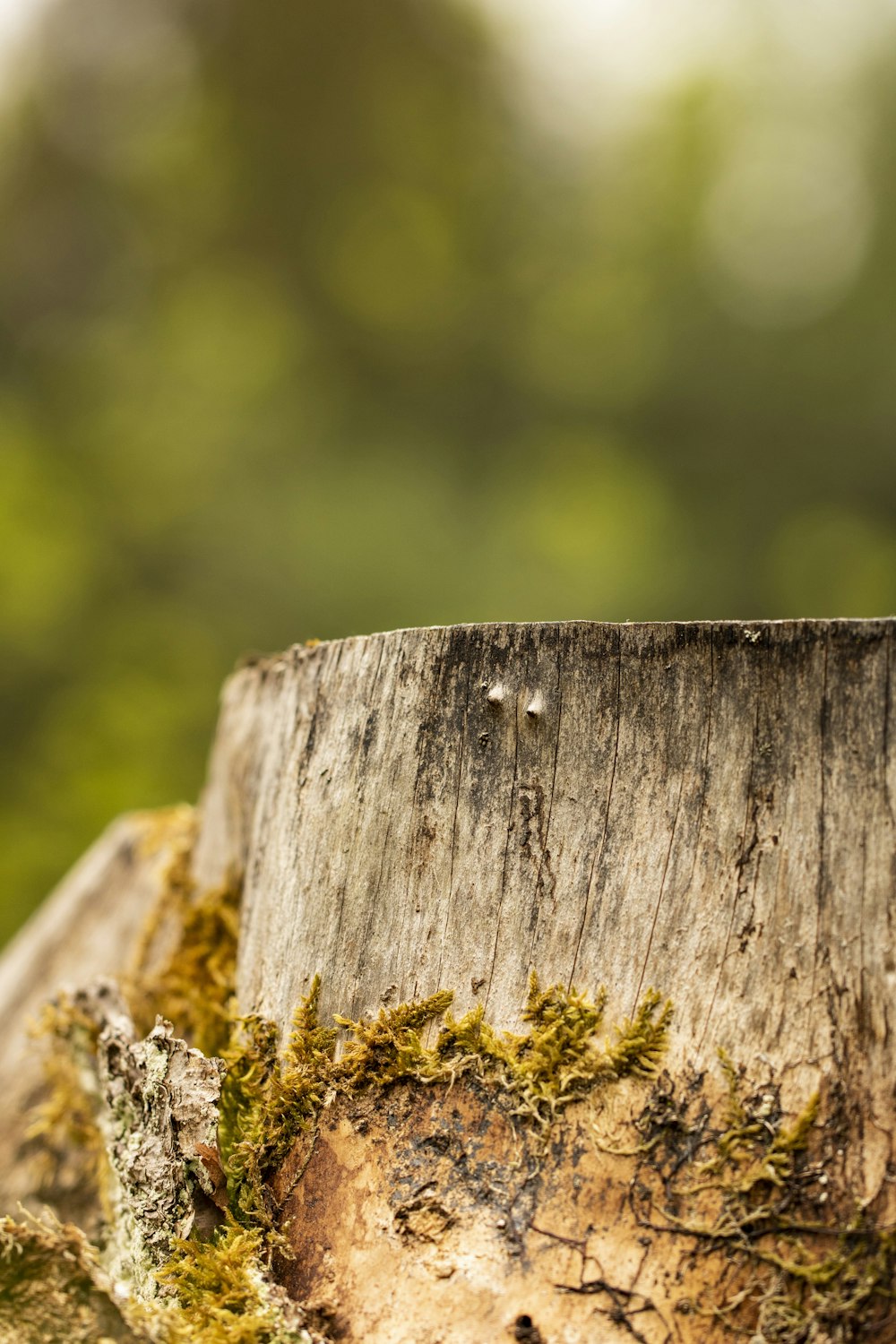
Sprouts and Suckers: The One Exception
There is one thing surviving roots can still do, and it catches homeowners off guard: send up shoots. Certain species carry dormant buds in their root tissue, and when the top of the tree disappears, stored energy triggers those buds to push. The shoots are called suckers, and they can pop up several feet from where the stump was, straight out of the lawn.
In the west metro the usual offenders are quaking aspen, cottonwood, boxelder, willow, silver maple, elm, and buckthorn. Spruce and pine essentially never do it — conifers do not resprout from roots. Ash is not a strong root suckerer either, though it will sprout from a stump that was cut and left, which is one more reason to grind rather than leave it.
How to Shut Suckers Down
Patience and a mower, mostly. Every sucker you cut off costs the root system energy it can never replace, because there are no leaves left to earn it back. Mow them with the lawn, cut any that come up in a bed flush at the ground, and stay after it. On most properties the sprouting stops within a season or two. What you cannot do is let one grow — a sucker that puts on a full year of leaves starts refunding the root system and resets the clock.
One thing worth knowing about timing: a cut-stump herbicide treatment is applied to the fresh-cut surface of a stump, so it is a job for the day the tree comes down, not after grinding. Once the stump is chips, there is no cut surface left to treat. If a species is a known suckerer and you want it handled chemically, raise it before the tree is cut.
How Long Leftover Roots Take to Break Down
Soil fungi and bacteria do the work. They colonize the cut ends, work inward, and slowly convert wood to soil. Fine feeder roots the diameter of a pencil are gone in a year or two. The structural roots — wrist-thick and up — take considerably longer.
| Root Type | Rough Timeline | Notes |
|---|---|---|
| Fine feeder roots | 1–2 years | Die back almost immediately |
| Small lateral roots | 2–4 years | Where most settling shows up |
| Large hardwood roots | 5–10+ years | Oak and maple are slowest |
| Softwood and conifer roots | 3–6 years | Pine and spruce break down faster |
| Deep sinker roots | Longest | Cooler soil, less microbial activity |
Minnesota pushes those numbers toward the long end. Decay is a biological process, and it slows to nearly nothing when soil temperatures drop — which in the Twin Cities means several months a year where essentially nothing is happening underground. Moisture matters too: a soggy low spot rots roots faster than dry sandy ground.
Settling, Soft Spots and Mushrooms
As wood turns to soil it loses volume, and the ground above it drops. A year or two after a big stump comes out, homeowners often notice shallow troughs radiating away from where the tree stood, like spokes on a wheel. Those are the old lateral roots giving way. It is normal and it is not a defect in the work.
The fix is simple: topdress with clean topsoil, tamp it lightly, and reseed. Do the same for the main hole — mound the backfill a few inches above grade so it settles level rather than into a dish. We walk through the whole process in planting grass after stump grinding, including why fresh grindings tie up soil nitrogen and starve new seedlings.
Mushrooms are the other thing people call about. Clusters of them appearing over the old root zone are saprophytic fungi feeding on the dead wood — the decay crew, doing exactly what you want. They are not attacking your lawn and they are not a sign of disease in nearby trees. They taper off as the wood is consumed. Knock them over if you have kids or dogs and would rather they not be there, but there is nothing to treat.
When Leftover Roots Actually Matter
Most of the time, buried roots are a non-issue — you seed the spot, the lawn fills in, and you forget about it. There are a few cases where you should say something up front so we can plan the job differently.
Replanting a Tree in the Same Spot
This is the big one. Leftover wood physically blocks a new root ball, and the decaying grindings pull nitrogen out of the soil right where the new tree needs it. The easy answer is to plant a few feet off to the side. If it has to be the same spot, we grind deeper, pull out the chips, and swap in real topsoil — and even then, giving the ground six to twelve months to settle before planting is the safer play.
Anything You Plan to Build On
Paver patios, shed pads, footings, fence posts, retaining walls. Roots that rot under a hard surface take the surface down with them, and a dipped paver a few years later is an expensive fix. Tell us what is going in and we will grind deeper and dig out the major roots in the footprint before you build.
Sod, Irrigation and Regrading
New sod over a fresh grind will telegraph every soft spot. If sod or an irrigation install is coming, get the grinding done first, backfill properly, and let the spot settle before the crew shows up.
Stumps tight against a house, sidewalk, or utility run have their own set of considerations — we covered those in grinding near foundations, fences and utility lines.
Get a Straight Answer on Your Stump
Every stump is a little different, and what is under it matters as much as what is above it. If you are planning a patio, a new tree, or new sod where an old tree used to be, tell us before we grind — it changes how we set up the job, and it is a lot cheaper to do once than to redo. Pricing on standard grinding runs roughly $3 to $7 per inch of stump diameter, but the real number depends on access, size and what else is going on, so we quote it for free rather than guess.
Statement Stump Grinding has been grinding stumps across the west metro for over 20 years. We serve Minnetonka, Eden Prairie, Wayzata, Edina, Excelsior, Chanhassen and the rest of the west metro service area. See everything we do on our services page. Call or text (612) 501-0602, or request a free quote online.
Frequently Asked Questions
Does stump grinding remove the roots?
It removes the stump and the root flare, plus any surface roots close to the stump that are in the way. The lateral and deep roots stay in the ground and decay naturally over the following years. Removing an entire root system requires excavation, not grinding.
Will tree roots keep growing after the stump is ground?
No. Roots depend on sugars made by leaves, and once the tree and stump are gone there are no leaves to feed them. The root system stops expanding and begins to break down. Roots already under a driveway or sidewalk will stay put and rot rather than push farther.
Why are shoots coming up in my lawn after grinding?
Some species — aspen, cottonwood, boxelder, willow, silver maple, elm and buckthorn among them — carry dormant buds in their roots and send up suckers using stored energy. Keep mowing or cutting them flush. With no leaves left to recharge the roots, the sprouting usually stops within a season or two.
How long do the leftover roots take to rot?
Fine roots go in a year or two, small laterals in two to four years, and large hardwood roots can take five to ten years or more. Minnesota winters pause decay for several months a year, so timelines here run toward the longer end.
Can I plant a new tree where the old stump was?
Not without preparation. Buried wood blocks the new root ball and decaying chips tie up soil nitrogen. Plant a few feet to the side if you can. If it has to be the same spot, we grind deeper and replace the chips with topsoil, and you should let the ground settle six to twelve months first.
Why is the ground sinking where the roots were?
Decaying wood loses volume, so the soil above it drops. Shallow troughs radiating out from the old stump are the lateral roots breaking down. Topdress with clean topsoil and reseed — it may take a couple of rounds over a few years.
Are the mushrooms growing over my old stump a problem?
They are saprophytic fungi feeding on the dead roots, which is exactly the process you want. They do not harm your lawn or your other trees, and they fade as the wood is consumed. Remove them if pets or kids are around, but no treatment is needed.
Do I need the roots dug out if I am building a patio there?
Yes, in the footprint. Roots rotting under pavers or a slab cause settling that is expensive to fix later. Tell us what you are building before we grind and we will take the depth down and dig out the major roots in that area.