The tree crew has come and gone. The logs are hauled off, the brush is chipped, and the yard is quiet again — except for the stump. Grinding it costs money, it isn’t hurting anyone at the moment, and nature breaks everything down eventually. Plenty of Twin Cities homeowners look at that stump and decide to just let it be.
We grind stumps for a living, so you might expect a scare piece here. It isn’t one. Some stumps really can sit for years without causing a single problem. Others turn into a decade of sucker growth, carpenter ants and mower repairs. This post lays out plainly what happens when you leave a tree stump in the ground in Minnesota, how long the wait actually is, and how to tell which kind of stump you have.
Key Takeaways
- A hardwood stump takes roughly 10–20 years or more to rot away naturally in Minnesota, and big oak and maple stumps sit at the long end of that range.
- Several common west metro species don’t just sit there — they resprout. Silver maple, boxelder, cottonwood, willow and buckthorn will push up new shoots for years.
- A decaying stump is prime habitat for carpenter ants and fungi, which matters more the closer it sits to your house, deck or garage.
- Waiting does not make grinding cheaper. Pricing is based on stump diameter, and a stump doesn’t shrink meaningfully for many years.
- Grinding ends the whole timeline in an afternoon — typically $3–$7 per inch of diameter, ground 4–6 inches below grade, chips cleaned up, level surface left behind.
Table of Contents
- How Long a Stump Really Takes to Rot
- Regrowth: Stumps That Refuse to Die
- Carpenter Ants, Fungus and Other Tenants
- What a Stump Costs You While It Sits
- Does Waiting Make Grinding Cheaper?
- When Leaving a Stump Is Actually Fine
- Frequently Asked Questions
How Long a Stump Really Takes to Rot
The honest answer: far longer than most people guess. Decay speed depends on the species, the diameter of the stump, and how much moisture reaches the wood. Dense hardwoods like oak resist rot the way they resist everything else. Softer, wetter woods like cottonwood and willow break down faster. And Minnesota works against you either way — the fungi that do the actual decomposition go dormant when the ground freezes, so our stumps get roughly half the working year that a stump in Missouri gets.
Here are the rough field estimates we give homeowners for a mid-sized stump left completely alone. Bigger stumps take longer; dry sites take longer still.
| Species | Natural Breakdown Time | Regrowth From the Stump |
|---|---|---|
| Oak | 15–25+ years | Occasional |
| Silver maple | 10–15 years | Aggressive |
| Cottonwood, willow | 8–15 years | Aggressive |
| Ash | 10–15 years | Moderate |
| Boxelder | 8–12 years | Aggressive |
| Spruce, pine | 8–15 years | None |
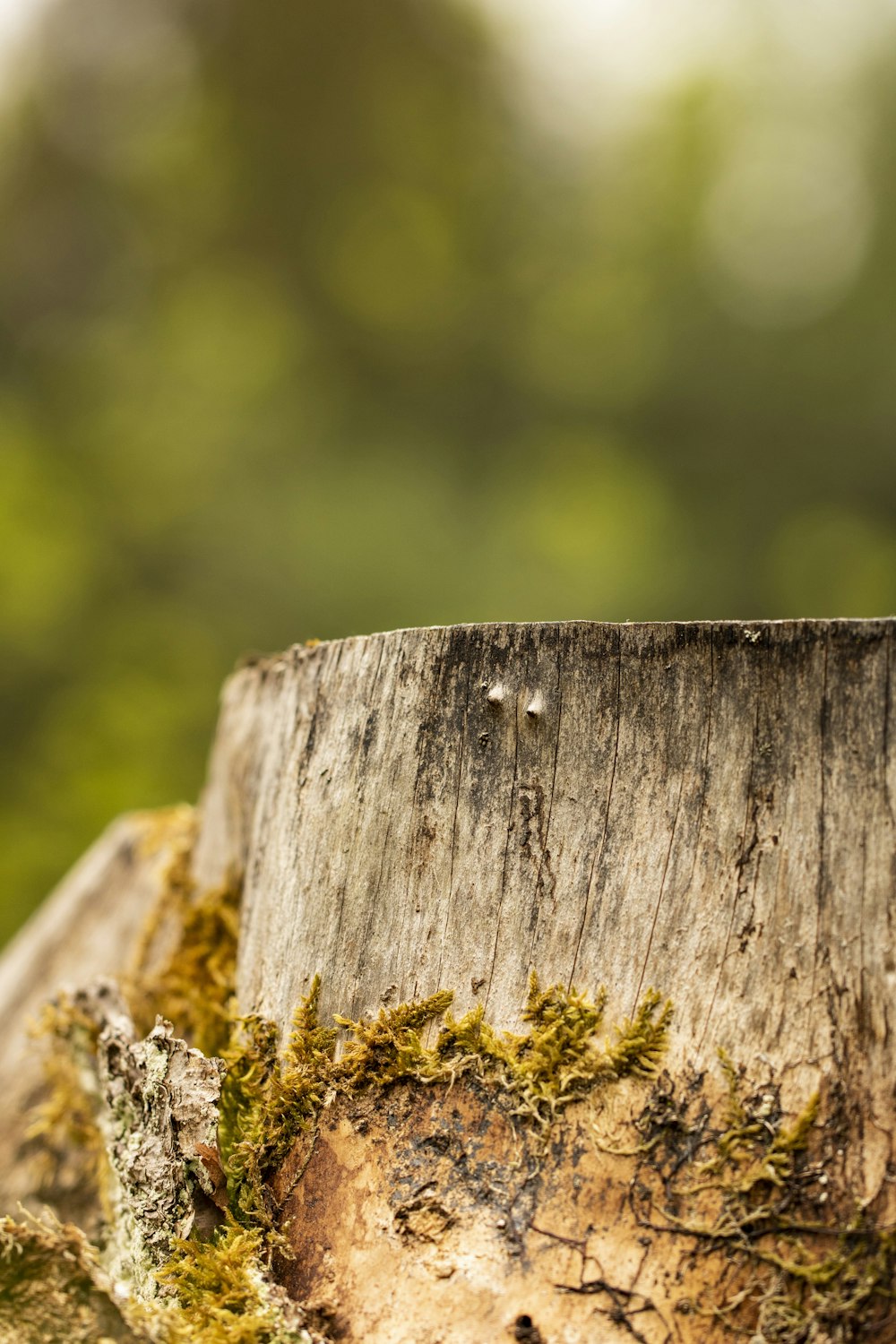
And “gone” is generous. What actually happens is the stump slowly softens, grows mushrooms, sinks, and turns into a spongy mound that still isn’t mowable. The root flare and the big roots below it hang on even longer. If you want to know what the roots are doing down there in the meantime, we covered that in what happens to tree roots after stump grinding.
Regrowth: Stumps That Refuse to Die
This is the part that surprises homeowners most. Cutting a tree down does not necessarily kill it. The root system is still alive, still full of stored energy, and for many species the stump responds by throwing up dozens of fast-growing shoots called suckers. Leave them alone for a season and you have a shrub. Leave them for a few years and you have a multi-stemmed thicket growing out of the old stump.
The Usual Suspects in the West Metro
Silver maple, boxelder, cottonwood and willow are the aggressive resprouters we see most, and they happen to be some of the most common yard trees across Minnetonka, Eden Prairie and the lake communities. Buckthorn is in a league of its own — cut it and walk away and it comes back thicker than before, which is why we wrote a separate guide to buckthorn stump removal. Conifers are the easy ones: a spruce or pine stump will never sprout.
Why Grinding Stops Most Regrowth
Sucker shoots come from buds in the stump and root flare — exactly the wood a grinder removes when it takes the stump 4–6 inches below grade. Grind that out and the vast majority of stumps are done for good. A few aggressive species can still send up scattered shoots from leftover roots for a season or two, but without the stump feeding them they are easy to mow off and they give up quickly. Mowing a lawn is a different job than fighting a thicket.
Carpenter Ants, Fungus and Other Tenants
A rotting stump is habitat. That’s neutral news in a back woodlot and bad news ten feet from your foundation.
The main tenant in Minnesota is the carpenter ant. They don’t eat wood the way termites do, but they excavate galleries in moist, softening wood to nest in — and a decaying stump is exactly that. The concern isn’t the stump itself; it’s that established colonies send out satellite colonies, and if the mother colony is sitting close to your house, the satellites can end up in a damp sill plate or deck post. Termites, for what it’s worth, are rare this far north. In the Twin Cities, carpenter ants are the insect that matters.
Fungi are the other tenant. Most stump mushrooms are harmless decomposers doing their slow work. The exception worth knowing about is Armillaria — honey fungus — which can live on dead roots and stumps and attack the roots of stressed trees and shrubs nearby. It’s not a reason to panic, but it is one more argument against leaving a large dead stump in the middle of a planted landscape for fifteen years.
What a Stump Costs You While It Sits
A stump doesn’t send you a bill, but it isn’t free either.
You mow around it every week, and eventually someone clips it — mower blades and hidden stumps are an expensive combination. It’s a genuine trip hazard once grass and suckers hide it, which matters if kids play in the yard. It freezes a chunk of your yard out of any landscaping plan, because nobody wants to build a patio or plant a bed around a rotting stump. And as it decays it settles, leaving a soft depression that has to be filled and releveled anyway — work you could have done once, right after grinding, and been finished with. When you do get to that point, here’s our guide to planting grass after stump grinding.
Buyers notice stumps too. A tidy, level lawn and a yard dotted with rotting stumps make different first impressions, and first impressions are most of curb appeal.
Does Waiting Make Grinding Cheaper?
No, and this is the misconception we hear most. Stump grinding is priced on diameter — on this site we’ve covered the standard $3–$7 per inch range in detail — and a stump holds its diameter for a very long time. A 30-inch silver maple stump is still a 30-inch stump eight years from now, just softer in the middle and surrounded by suckers.
Old, dry stumps aren’t easier on the machine either. Seasoned hardwood is harder than green wood and grinds slower. Access sometimes gets worse too, as landscaping, fences and new plantings grow in around the stump. There is no version of this where waiting earns you a discount. If the stump is coming out eventually, the cheapest day to grind it is usually the earliest one — ideally bundled with any other stumps on the property, since multiple stumps in one visit almost always lowers the per-stump price. And if you’re weighing grinding against full excavation, start with grinding vs. removal.
When Leaving a Stump Is Actually Fine
Honest work means telling you when you don’t need us. Some stumps are fine to leave.
If the stump is out in a wooded corner of the property, well away from the house, the lawn and anything you walk past — leave it if you like. Dead wood is legitimately good habitat: woodpeckers, native bees and beneficial insects all use it. This is doubly true for conifer stumps, which won’t resprout and will quietly disappear into the woods over a decade or so.
The stumps we’d encourage you to deal with are the ones in the mowed yard, near the house or driveway, close to septic or landscape plantings, or from species on the aggressive-resprouter list above. Those are the ones that cost you something every year they sit.
Not Sure Which Kind of Stump You Have? Get a Number First
The decision is easier with a real price in hand. Send us a photo of the stump and a rough diameter measurement and we’ll give you a straight quote — no sales visit, no pressure, and we’ll tell you honestly if it’s a stump you can safely ignore.
Statement Stump Grinding is family owned and has been grinding stumps across the west metro for over 20 years, including Minnetonka, Eden Prairie, Wayzata, Edina, Chanhassen and the rest of our service area. Call or text (612) 501-0602, or request a free quote online.
Frequently Asked Questions
How long does a tree stump take to rot naturally in Minnesota?
Plan on 10 to 20 years for most hardwood stumps, and 25 or more for a large oak. Minnesota’s long ground freeze shuts down fungal decay for months every year, so stumps here break down slower than the national averages you’ll read online.
Will a tree stump regrow after the tree is cut down?
Many species will. Silver maple, boxelder, cottonwood, willow and buckthorn all resprout aggressively from a cut stump because the root system is still alive. Conifers like spruce and pine never resprout. Grinding the stump below grade removes the buds most sprouts come from and stops nearly all regrowth.
Do old stumps attract termites in Minnesota?
Termites are rare in the Twin Cities. The insect to think about here is the carpenter ant, which nests in moist decaying wood. A rotting stump near the house can host a colony that eventually sends satellite colonies toward your foundation, deck or sill plate.
Does an old, dry stump cost less to grind?
No. Grinding is priced on diameter, and a stump keeps its diameter for many years. Seasoned dry hardwood is actually harder than green wood and grinds slower, so waiting earns no discount.
Can I speed up stump rot with Epsom salt or stump-out products?
A little. Drilling the stump, keeping it damp and covered, and using a potassium nitrate stump product all accelerate decay, but you’re shortening a 15-year process to maybe 5 to 8 years, not to one season. Burning stumps out is restricted or prohibited in most metro cities, so it’s rarely a practical option.
Is it OK to leave a stump in a wooded area?
Usually, yes. A stump well away from the house, lawn and foot traffic is harmless and even beneficial as wildlife habitat. The stumps worth grinding are the ones in mowed areas, near structures, or from species that resprout aggressively.
What happens to the roots if the stump just sits there?
Without leaves to feed them, most roots die and decay in place over several years. In resprouting species, though, the roots stay alive and fuel sucker growth from the stump until the stored energy is exhausted — which can take a surprisingly long time.