Black walnut is one of the few trees where the stump keeps causing trouble after the tree is gone. Every part of the tree, and the roots most of all, carries a compound called juglone that stunts or kills certain plants. Homeowners across the west metro have seen it in action: a tomato bed that wilts every summer, a lilac that never took, a patch of white pines that yellowed for no obvious reason. Then the walnut comes down, and the question becomes what happens to the roots and the chips.
This guide covers what a black walnut stump actually does in the ground, why grinding it is different from grinding an ash or a maple, what to do with the grindings, and how long to wait before you plant anything fussy where the tree used to stand. It is written from the stump side of the job, with the horticulture checked against university extension sources.
Key Takeaways
- Juglone is concentrated in walnut roots and the stump, so the stump is the biggest source left after the tree comes down.
- Grinding removes the stump and the heavy roots around it, which is most of the juglone mass. Fine roots stay and decay over a few years.
- Do not use black walnut grindings as mulch on gardens or around sensitive plants. Haul them off the property or compost them fully.
- Lawn grass is not juglone-sensitive. You can reseed a ground walnut spot like any other once the chips are out.
- Wait a season or more before planting tomatoes, peppers, lilacs, blueberries or pines in the old root zone. Tolerant plants can go in right away.
- Walnut is dense, hard wood with a deep root, so expect a slower grind and pricing toward the upper end of the usual per-inch range.
Table of Contents
- What Juglone Is and Where It Lives in the Tree
- Why the Stump Matters After the Tree Is Gone
- How Grinding a Walnut Stump Is Different
- The Chips: Do Not Spread Them
- How Long to Wait Before Replanting
- What to Plant Where a Walnut Was
- Frequently Asked Questions
What Juglone Is and Where It Lives in the Tree
Black walnut (Juglans nigra) is native to southeastern Minnesota and has been planted all over the Twin Cities for its timber, its nuts and its shade. It produces juglone, a naturally occurring chemical that inhibits the growth of some other plants. Botanists call that allelopathy. The tree is essentially defending its own root zone.
Juglone occurs throughout the tree, but not evenly. According to The Morton Arboretum, the highest concentrations are in the buds, nut hulls and roots. Leaves and stems carry less. The soil under the canopy holds the most, and the root zone of a mature walnut can reach 50 to 60 feet from the trunk, well past the drip line. That is why a garden bed two lawns over from a big walnut can still struggle.
Worth knowing: the research behind all of this is thin. Both the Morton Arboretum and Iowa State Extension point out that much of what gardeners repeat comes from limited, decades-old studies, and plenty of plants do fine next to walnuts. But the plants that react to it react hard, and the pattern is consistent enough that it is worth planning around.
Why the Stump Matters After the Tree Is Gone
When a walnut is cut down, the leaves and nuts stop falling, which removes one source. What is left is the stump and the entire root system, and that is where the juglone was concentrated in the first place. Decaying roots can keep releasing it into the surrounding soil, which is why some sources describe toxicity persisting for several years after removal while others describe it fading within months. Both are describing the same thing from different angles: the chemical itself breaks down fairly quickly in healthy soil, but the roots keep supplying more as they rot.
A walnut stump left in place is the slowest version of that process. A big, dense stump with a heavy root flare takes many years to rot, and it keeps the soil around it in a juglone cycle the whole time. It also does everything any other abandoned stump does: sends up suckers, attracts insects, gets in the way of the mower and slowly sinks into a hole.
Grinding shortens that timeline dramatically. Removing the stump and the major roots immediately around it takes out the biggest reservoir of juglone and leaves only the smaller outlying roots to decay. Those are thinner, spread out and break down much faster than a solid stump would.
How Grinding a Walnut Stump Is Different
The process is the same as any other stump: we grind the stump and surface root flare 4 to 6 inches below grade, rake the chips, and leave a level surface. What changes is how the wood behaves under the cutter wheel.
Dense, hard wood
Black walnut is a premium hardwood for a reason. It is heavy and tight-grained, roughly in the same class as the oaks we grind across the west metro. The grinder takes thinner passes and moves slower than it would through a silver maple or cottonwood of the same diameter. A 30-inch walnut stump is a real job, not a quick stop.
Deep central root
Walnuts tend to develop a strong taproot early and keep a deep central root mass under the trunk, along with wide-spreading laterals. Grinding depth is measured from grade, so the taproot is cut off at our working depth, not removed, but what remains below 6 inches has far less exposure to the surface soil where you plant.
Dark, stained chips
Walnut heartwood is dark chocolate brown, and so are the grindings. The mound of chips from a walnut is noticeably darker than the pale pile you get from an ash or maple. That is a handy visual reminder of the next point.
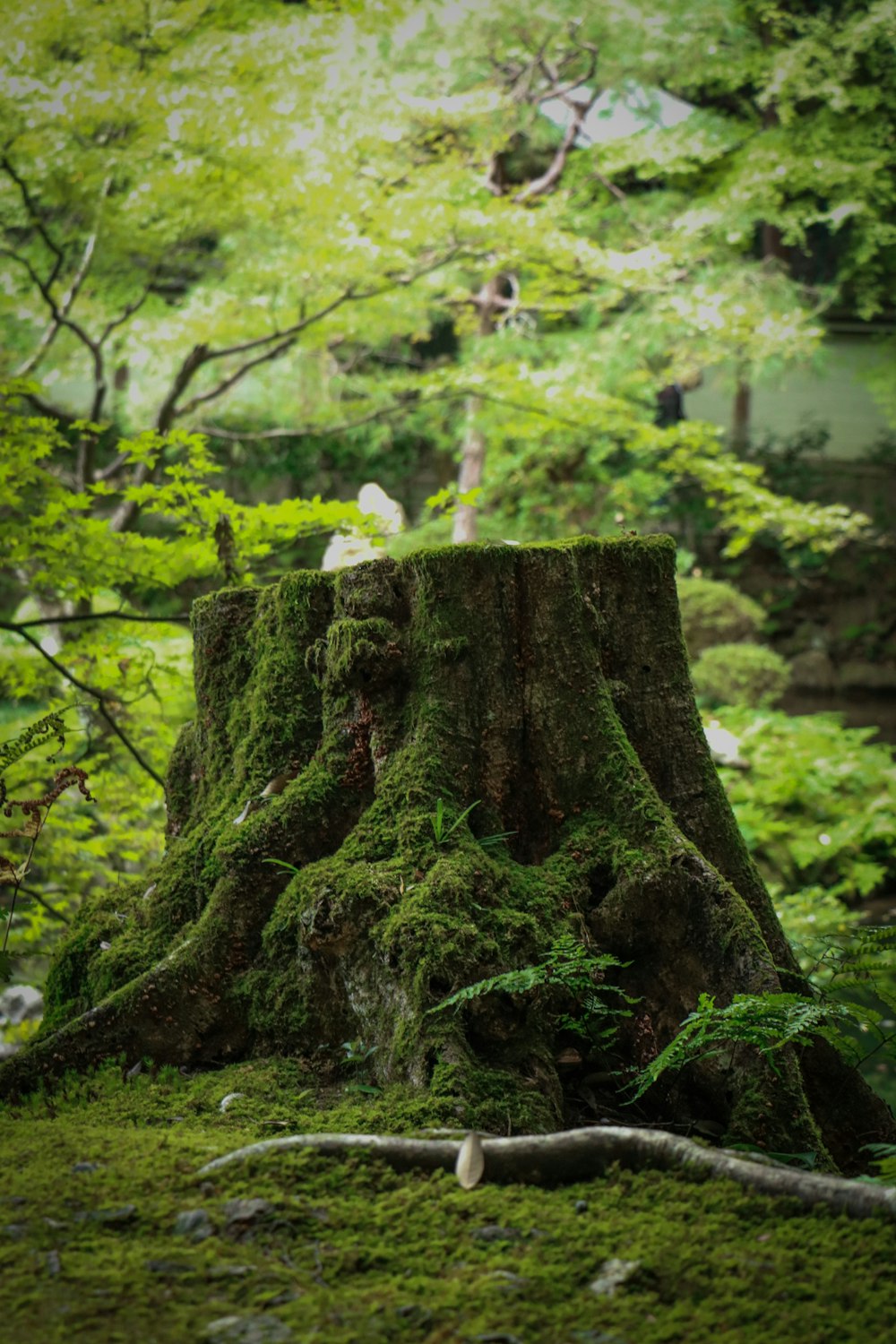
The Chips: Do Not Spread Them
For most species, we tell homeowners that stump grindings make decent mulch for paths and beds once they age. Black walnut is the exception. The chips are shredded root and stump wood, which is the most juglone-rich material on the tree. Spreading them on a vegetable garden, under a hydrangea or around young evergreens moves the problem to exactly the plants you are trying to protect. The Morton Arboretum specifically advises against using walnut wood chips or leaves as landscape mulch or composting them onto garden plants.
Two reasonable options:
- Haul them off. Ask for chip haul-away when you book, or bag and dispose of them with yard waste. This is the simplest answer.
- Compost them separately, and for a long time. Juglone breaks down with air, moisture and microbial activity. A hot, turned compost pile will neutralize it, but give it a full season or more, and do not use that compost on tomatoes until you have tested it on something you do not mind losing.
Either way, scoop out the grindings from the hole itself before you backfill. Our general guidance in what to do with stump grindings still applies, with the walnut caveat that the chips should leave the garden.
How Long to Wait Before Replanting
This is the question everyone asks, and the honest answer is that the university sources do not fully agree.
| Source | Position | Practical Read |
|---|---|---|
| Iowa State Extension | Most juglone gone within a few months | Replant next season |
| Morton Arboretum | Decaying roots may release juglone for several years | Stage sensitive plants |
| Field experience | Depends on stump size and root removal | Grind, haul chips, wait a year for the fussy stuff |
Here is how we would sequence it after a walnut stump is ground in the west metro:
- Right away: clear the chips, backfill with clean topsoil, and either reseed lawn or plant something from the tolerant list below. Turfgrass does not care about juglone, so the standard reseeding process works as-is. Given a September grind date, you are inside the fall seeding window right now.
- First growing season: use raised beds with imported soil if you want vegetables in that area. A raised bed lifts sensitive roots above the decaying walnut roots.
- Second season and beyond: try direct-planting sensitive species. Start with something cheap. If a tomato transplant sulks and yellows while its neighbor in a raised bed thrives, give it another year.
Two things speed all of this up: getting the stump ground promptly rather than letting it sit, and working compost and air into the soil so the microbes that break juglone down have something to work with. Compacted, wet clay, which is common across Minnetonka, Chanhassen and Eden Prairie, holds juglone longer than loose, well-drained soil.
What to Plant Where a Walnut Was
If you would rather not wait, pick from the tolerant side. These lists come from the Morton Arboretum and cover plants that do well in the Twin Cities.
Considered tolerant
Trees: red maple, sugar maple, northern red oak, white oak, hickory, honeylocust, serviceberry, redbud and American elm. Evergreens: arborvitae, eastern red cedar and juniper. Shrubs: ninebark, forsythia, elderberry, currant and most viburnums. Perennials: hosta, daylily, purple coneflower, black-eyed Susan, bee balm, astilbe, coral bells, ferns and Siberian iris. Bulbs like daffodils and squill are fine too.
Considered sensitive
Vegetables: tomato, pepper, potato, eggplant, cabbage and asparagus. Shrubs: lilac, hydrangea, blueberry, rhododendron, privet, potentilla and yew. Trees: white pine, red pine, Norway spruce, silver maple, linden, crabapple and white birch. Perennials: peony, columbine and rhubarb. If you are replacing the walnut with another tree, our guide to planting a tree where a stump was covers spacing and soil, and the tolerant list above narrows the species.
Note that silver maple, one of the most common yard trees in the west metro, is on the sensitive list. Plenty of them grow near walnuts anyway, which says something about how variable this is, but it is not the tree to plant into a fresh walnut root zone.
Get the Walnut Stump Out and the Chips Off Your Property
A walnut stump is worth grinding sooner rather than later, and it is worth having the grindings hauled away instead of spread around the yard. We grind 4 to 6 inches below grade, clean up the chips and leave a level surface ready for topsoil and seed. Family owned, licensed and insured, and grinding stumps across the west metro for over 20 years.
We serve Minneapolis and the western Twin Cities, including Minnetonka, Edina, Eden Prairie, Chanhassen, Orono, and every community in between. See what we do on our services page, or check our Minnesota stump grinding cost guide for pricing ranges.
Call or text (612) 501-0602, or request a free quote online.
Frequently Asked Questions
Does grinding a black walnut stump get rid of the juglone?
It removes the biggest source. The stump and the large roots right around it carry the highest juglone concentrations, and grinding 4 to 6 inches below grade takes that mass out. Smaller roots stay in the ground and decay over the next few years, so the spot is not instantly clean, but you have removed most of what would have been leaching.
How long after removing a black walnut can I plant tomatoes there?
University sources differ. Iowa State Extension says most juglone breaks down within a few months and replanting the next growing season is fine. The Morton Arboretum notes decaying roots can release juglone for several years. A practical middle ground: grow tolerant plants or a raised bed the first year or two, then try sensitive vegetables once the roots have had time to rot.
Can I use black walnut stump grindings as mulch?
Not on garden beds or around sensitive plants. Juglone is concentrated in walnut roots and wood, so fresh grindings spread on a vegetable garden or under lilacs can cause exactly the wilting and yellowing you were trying to get away from. Haul them off or let them compost fully for a season or more before using them anywhere that matters.
Will grass grow where a black walnut stump was ground?
Yes. Kentucky bluegrass and fescue lawns are not considered juglone-sensitive, so once you remove the chips, backfill with clean topsoil and add nitrogen, the spot reseeds like any other. The bigger obstacle is the wood chips and nitrogen tie-up, not the walnut chemistry.
Is a black walnut stump harder to grind than other trees?
It is one of the harder hardwoods, roughly in the same class as oak. That means more passes and slower feed rates than a soft maple or cottonwood of the same size. It also tends to have a deep central root. Expect the job to take longer than a soft-wooded stump the same diameter, though the process is the same.
What plants are safe to plant near where a walnut was removed?
Most oaks, red and sugar maple, hickory, arborvitae, juniper, hosta, daylily, coneflower, black-eyed Susan, bee balm, ferns and most lawn grasses are considered tolerant. Avoid tomatoes, peppers, potatoes, asparagus, blueberries, lilac, hydrangea, white pine, red pine, Norway spruce, silver maple, linden and white birch until the roots have rotted.
How much does it cost to grind a black walnut stump in Minnesota?
Pricing on this site runs roughly $3 to $7 per inch of stump diameter, and dense wood like walnut tends toward the upper part of that range. Exact cost depends on size, access, root flare and chip cleanup, so the only real number is a free quote.